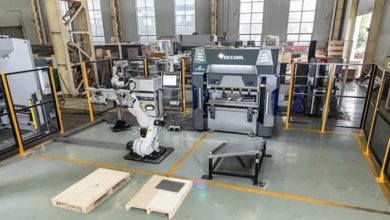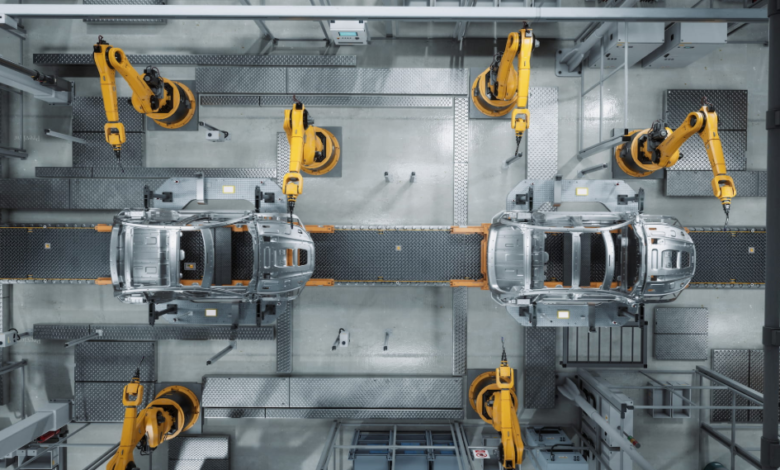
The automotive industry is a cornerstone of global manufacturing, and the role of precision maintenance in ensuring the optimal operation of its factories cannot be overstated. In the automotive capital of the world, a city renowned for its robust industrial base and cutting-edge technology, precision maintenance has become a pivotal aspect of production. As factories strive to maintain their competitive edge, precision maintenance solutions are playing a vital role in boosting efficiency, reducing downtime, and extending the lifespan of crucial machinery.
The Importance of Precision Maintenance in the Automotive Industry
In the automotive manufacturing sector, precision is not just a goal; it is a necessity. The production process is highly intricate, with complex machinery, robots, and automated systems working together to assemble everything from engines to car bodies. Any disruption or breakdown in this intricate web of equipment can lead to costly downtime, lost production, and even a delay in meeting the ever-growing demand for vehicles.
Precision maintenance focuses on maximizing the performance of machinery through detailed, proactive inspections, adjustments, and repairs. Unlike traditional maintenance, which may involve reactive fixes or scheduled repairs, precision maintenance takes a more data-driven, condition-based approach. It relies on monitoring equipment in real time, using sensors and analytics to predict potential issues before they arise and addressing them before they impact production.
See also: How Consumer Tech Shapes Buying Behavior
Key Benefits of Precision Maintenance Solutions
1. Enhanced Productivity
One of the most significant advantages of precision maintenance is its ability to reduce unplanned downtime. In automotive factories, where machines and robots operate at high speeds, even minor issues can result in significant delays. With precision maintenance, manufacturers can schedule maintenance tasks at optimal times, preventing unexpected failures that disrupt production lines.
Advanced diagnostic tools, such as vibration analysis, thermal imaging, and ultrasonic testing, enable factory managers to pinpoint mechanical faults before they lead to major breakdowns. This proactive approach ensures that machinery is running at peak performance, ultimately enhancing overall productivity.
2. Cost Savings
Precision maintenance can result in substantial cost savings over time. Regular, data-driven inspections allow manufacturers to replace parts only when necessary, avoiding the high costs associated with emergency repairs or the premature replacement of components that still have a long service life. By addressing wear and tear early, manufacturers can also prevent larger, more expensive breakdowns.
Moreover, by extending the lifespan of critical machinery, precision maintenance reduces the need for frequent capital investments in new equipment. This leads to better return on investment (ROI) for automotive manufacturers, enabling them to allocate resources to other areas of their business.
3. Improved Quality Control
The automotive industry demands high standards of quality, and precision maintenance plays a key role in ensuring that production processes meet those standards. Malfunctioning equipment can lead to defects in vehicle components, compromising product quality and customer satisfaction. Precision maintenance ensures that machines are calibrated and maintained to exact specifications, minimizing the risk of errors during the manufacturing process.
Automotive factories that implement precision maintenance are better positioned to deliver vehicles that meet the highest industry standards, further bolstering their reputation for quality and reliability.
4. Sustainability
As the global push for sustainability in manufacturing intensifies, precision maintenance can also contribute to reducing the environmental impact of automotive production. By maximizing the efficiency of machines and systems, manufacturers use less energy and materials, contributing to a more sustainable production process. Moreover, by extending the lifespan of machinery, precision maintenance reduces waste and the need for constant replacement of equipment.
The Role of Technology in Precision Maintenance
Technology is at the heart of modern precision maintenance. In the automotive capital’s factories, the use of advanced digital tools is revolutionizing the way maintenance is performed. Key technological innovations include:
1. Internet of Things (IoT)
The IoT has paved the way for real-time monitoring of machines and systems in automotive factories. IoT sensors embedded in equipment gather data on factors like temperature, pressure, and vibration. This data is then transmitted to a central system for analysis, allowing maintenance teams to identify any irregularities and address them before they lead to downtime. IoT technology offers a wealth of data that enhances predictive maintenance strategies.
2. Predictive Analytics
Predictive analytics uses machine learning algorithms to analyze historical data and forecast potential failures before they occur. By leveraging this technology, automotive factories can move beyond reactive and preventive maintenance strategies to predict precisely when and where maintenance will be required. This shift leads to better resource planning and more efficient use of maintenance teams and materials.
3. Augmented Reality (AR) and Virtual Reality (VR)
AR and VR technologies are transforming the way maintenance tasks are carried out. Using AR glasses or headsets, maintenance workers can access real-time data overlays that provide instructions, equipment manuals, and diagnostics while performing repairs. This increases the accuracy of repairs and shortens the time required to complete tasks, ensuring that maintenance is performed efficiently and correctly.
4. Robotics and Automation
In automotive manufacturing, robots are used not only in production but also in maintenance. Automated systems can perform routine inspections, part replacements, and even advanced repairs with minimal human intervention. By combining robotics with precision maintenance practices, automotive manufacturers can further streamline their operations and reduce the burden on human labor.
Implementing Precision Maintenance in the Automotive Capital
The automotive capital, a hub for automotive production and innovation, is embracing precision maintenance to maintain its leadership in the industry. Manufacturers in this region are investing in the latest technologies, training their maintenance teams in advanced diagnostic techniques, and building a culture of continuous improvement.
To implement precision maintenance effectively, automotive factories must take a holistic approach, integrating data analytics, IoT systems, and skilled labor to monitor equipment health in real time. Collaboration between maintenance and production teams is also crucial, as early identification of potential problems allows for swift corrective actions without disrupting manufacturing schedules.
Furthermore, manufacturers in the automotive capital are working closely with solution providers to develop tailored maintenance strategies that meet the unique needs of their factories. Partnering with a specialized industrial cleaning company Detroit allows these manufacturers to address specific challenges, such as complex assembly lines, specialized machinery, and high-volume production demands, ensuring that the work environment remains pristine and functional.
Conclusion
In the competitive world of automotive manufacturing, precision maintenance solutions have become a game-changer. For factories in the automotive capital, these solutions are not just an option but a necessity for staying ahead of the curve. By improving productivity, reducing costs, enhancing product quality, and promoting sustainability, precision maintenance is proving to be a critical factor in the success of the industry’s factories. As technology continues to evolve, the future of automotive manufacturing will undoubtedly rely on increasingly sophisticated and integrated maintenance solutions that keep machinery running at peak performance, ensuring that the automotive capital remains a global leader in production and innovation.