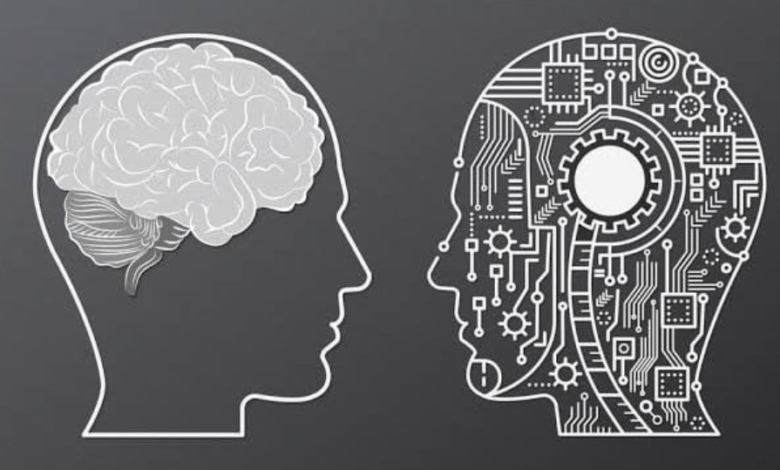
Artificial Intelligence operates on principles that closely resemble human cognitive processes. By employing advanced algorithms and neural networks, AI systems can analyze information similarly to the human brain. Techniques such as machine learning enable these systems to recognize patterns and adapt over time. This capability raises important questions about the implications of AI in decision-making and its influence on everyday life. Understanding these dynamics is crucial for grasping the full scope of AI’s potential.
The Fundamentals of Artificial Intelligence
Artificial Intelligence (AI) represents a transformative paradigm in computational technology, characterized by the development of algorithms and systems that enable machines to perform tasks typically requiring human intelligence.
Fundamental to AI are natural language processing and computer vision, which facilitate human-like interaction and perception. These technologies empower systems to understand, interpret, and respond to complex data, enhancing functionality across diverse applications.
Understanding Neural Networks
Neural networks, a critical component of modern AI, exemplify the architecture that underpins many advanced machine learning applications.
These systems simulate cognitive processes by mimicking the intricate patterns of neuron connections found in the human brain. By adjusting weights and biases within these connections, neural networks learn from data, enabling them to perform tasks such as image recognition and natural language processing with remarkable efficiency.
Machine Learning Techniques in Cognitive Simulation
Advancements in machine learning have significantly enhanced the simulation of cognitive processes, allowing for more sophisticated models that replicate human-like reasoning and decision-making.
Techniques such as reinforcement learning are instrumental in developing cognitive architectures that adapt and improve through experience.
These models facilitate an understanding of decision-making patterns, offering insights into how artificial intelligence can mimic human thought processes effectively and efficiently.
Impacts of AI on Decision-Making and Daily Life
As artificial intelligence increasingly integrates into everyday life, its influence on decision-making processes becomes more pronounced.
Decision automation enhances daily convenience, enabling individuals to streamline tasks. However, this reliance raises AI ethics concerns regarding autonomy and the potential erosion of human interaction.
Balancing efficiency with ethical considerations is crucial to ensure that AI serves as a supportive tool rather than a replacement for human agency.
Conclusion
In summary, artificial intelligence’s ability to mimic human thinking through neural networks and advanced machine learning techniques is revolutionizing decision-making processes in various domains. Notably, a report from McKinsey reveals that AI could potentially contribute an additional $13 trillion to the global economy by 2030, highlighting its transformative impact. As AI continues to evolve, its integration into everyday life will not only enhance efficiency but also redefine our understanding of cognition and intelligence itself.