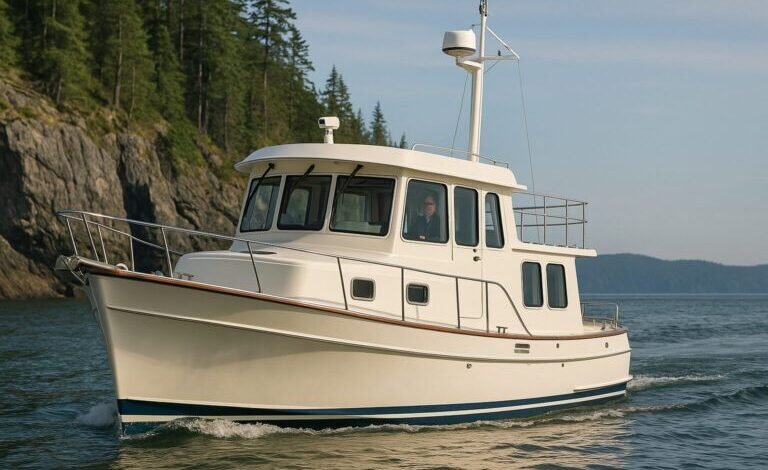
Ship design has evolved far beyond basic functionality. While strength, safety, and efficiency remain essential, passenger comfort has become a defining priority in modern vessels. Ferries, cruise ships, and passenger liners are expected to provide smooth journeys, quiet interiors, and welcoming spaces that feel more like floating hotels than industrial machines. Achieving this level of comfort is not accidental. It is the result of careful ship design choices that balance layout planning, noise control, and stability at sea.
Passenger comfort directly affects customer satisfaction, repeat travel, and overall reputation. A ship that looks impressive but feels uncomfortable during a voyage quickly loses appeal. This article explores how ship design focuses on passenger comfort by examining interior layout, noise and vibration control, and stability in open water, all explained in simple and accessible language.
Why Passenger Comfort Matters in Ship Design
Passenger comfort is no longer a luxury feature. It is a core requirement in ship design, especially in competitive transport and tourism markets. Travelers expect calm spaces, smooth motion, and an environment that reduces stress rather than adds to it.
Uncomfortable layouts, excessive noise, or noticeable rolling can turn even short journeys into unpleasant experiences. Designers must anticipate how passengers move, rest, socialize, and react to motion. Comfort-focused ship design improves safety as well, since relaxed passengers are less prone to panic and fatigue.
Modern ship design treats comfort as part of overall performance. A comfortable ship feels stable, sounds quiet, and flows naturally from one space to another.
Interior Layout and Passenger Flow
The layout of a ship plays a major role in how comfortable it feels. Interior planning focuses on movement, visibility, and space distribution to prevent crowding and confusion.
Passenger areas are arranged to separate high-traffic zones from quiet spaces. Lounges, dining areas, and entertainment spaces are placed where movement is expected, while cabins and rest zones are located in calmer sections of the vessel.
Ship design also considers vertical movement. Stairways, elevators, and corridors are positioned to allow smooth flow between decks. Poor layout design can cause bottlenecks, noise transfer, and passenger frustration.
Clear sightlines and intuitive navigation improve comfort by reducing stress. When passengers can easily find their way without confusion, the ship feels welcoming rather than overwhelming.
Cabin Placement and Comfort Zones
Cabin placement is a critical element of passenger-focused ship design. Cabins located near engines, propellers, or machinery spaces are more exposed to noise and vibration. Designers aim to place cabins in areas where motion and sound are minimized.
Midship locations are often preferred for cabins because they experience less movement than the bow or stern. Ship design takes advantage of this natural stability to create more comfortable sleeping and resting environments.
Spacing between cabins and service areas is also important. Buffer zones, such as storage or utility spaces, help reduce noise transmission and maintain privacy.
Noise Control as a Core Design Challenge
Noise is one of the most common complaints from passengers. Engine noise, mechanical vibrations, and even water flow can travel through a ship’s structure if not properly managed.
Ship design addresses noise at the source whenever possible. Machinery is mounted on vibration-damping systems that reduce sound transfer into the hull. Structural isolation prevents noise from spreading through decks and bulkheads.
Soundproofing materials are integrated into walls, ceilings, and floors. These materials absorb sound rather than allowing it to echo through passenger areas. Effective ship design treats noise control as a system, not an afterthought.
Managing Vibration for a Quieter Experience
Vibration is closely linked to noise but affects comfort in a different way. Even when a ship appears quiet, constant vibration can cause fatigue and discomfort.
Ship design reduces vibration by optimizing engine placement, shaft alignment, and propeller design. Smooth propulsion systems reduce uneven forces that cause shaking.
Structural damping techniques further reduce vibration transmission. Floors and walls are designed to absorb movement rather than amplify it. These design choices create a calmer onboard environment, especially during long voyages.
Read Also: How Automation Technology Changes Employment
Acoustic Design in Public Spaces
Public areas such as dining rooms, lounges, and theaters require special attention. These spaces must balance lively atmosphere with controlled sound levels.
Ship design uses acoustic shaping to prevent excessive echo and noise buildup. Ceiling height, wall angles, and surface materials all influence how sound behaves in a room.
A well-designed public space allows conversation and entertainment without becoming overwhelming. This balance improves passenger comfort and encourages longer use of shared areas.
Stability and Motion Comfort at Sea
Stability is one of the most important factors affecting passenger comfort. Excessive rolling or pitching can lead to discomfort and seasickness, even in calm weather.
Ship design improves stability through hull shape, weight distribution, and center of gravity control. A wider hull can increase stability, while careful placement of heavy components lowers the ship’s center of gravity.
Designers must balance stability with speed and efficiency. A ship that is overly stiff may reduce rolling but increase sharp movements, which can also be uncomfortable. Comfort-focused ship design seeks a smooth, predictable motion.
Hull Design and Its Impact on Comfort
The hull is the foundation of ship stability. Its shape determines how the vessel interacts with waves and currents.
Rounded hull forms may move more gently through waves, while sharper designs can cut through water but may transmit more motion. Ship design selects hull forms based on expected operating conditions and passenger needs.
Hull length also affects comfort. Longer ships tend to bridge waves more smoothly, reducing pitching. This is one reason large passenger vessels often feel more stable than smaller ones.
Stabilization Systems for Passenger Ships
Modern ship design often includes stabilization systems that actively reduce motion. These systems adjust to wave conditions and help keep the ship level.
Passive stabilizers rely on hull design and weight distribution, while active systems respond dynamically during operation. The goal is to reduce rolling without creating sudden counter-movements.
While stabilization systems add complexity, they significantly improve passenger comfort, especially on routes known for rough seas.
Weight Distribution and Interior Design
Weight distribution affects both stability and comfort. Heavy items such as engines, fuel tanks, and water storage must be positioned carefully.
Ship design ensures that passenger areas are not affected by sudden shifts in weight. Even interior furnishings are selected with balance in mind.
Proper weight distribution improves motion comfort and reduces stress on the ship’s structure, contributing to a quieter and smoother experience.
Lighting, Space, and Psychological Comfort
Comfort is not only physical. Psychological comfort also plays a role in how passengers perceive their journey.
Ship design uses natural lighting, open spaces, and color choices to create a relaxing atmosphere. Windows and open decks help reduce feelings of confinement.
A well-designed interior makes passengers feel connected to the sea without being overwhelmed by motion or noise. This emotional balance enhances overall comfort.
Crew Areas and Indirect Passenger Comfort
Although passengers may never see crew spaces, their design affects service quality. Comfortable crew areas lead to better-rested staff and improved passenger interactions.
Ship design that supports crew comfort indirectly enhances passenger comfort. Efficient service, calm communication, and quick response all depend on well-designed working environments.
FAQs About Ship Design and Passenger Comfort
Why is passenger comfort important in ship design?
Passenger comfort influences satisfaction, safety, and repeat travel. Comfortable ships reduce stress and improve the overall travel experience.
How does ship layout affect comfort?
A well-planned layout reduces crowding, noise, and confusion. Clear movement paths and separated zones create calmer spaces.
What causes noise on passenger ships?
Noise comes from engines, machinery, vibrations, and water flow. Ship design reduces noise through isolation and soundproofing.
How does ship design reduce seasickness?
Stability-focused design, hull shape, and stabilization systems reduce excessive motion, which helps limit seasickness.
Are larger ships always more comfortable?
Larger ships often feel more stable, but comfort also depends on design quality, layout, and motion control systems.
Conclusion
Passenger comfort is a defining element of modern ship design. Through thoughtful layout planning, effective noise and vibration control, and careful attention to stability, designers create vessels that feel calm, welcoming, and safe at sea. Comfort is not achieved through a single feature but through the integration of many design decisions working together.
As passenger expectations continue to rise, ship design will place even greater emphasis on creating smooth, quiet, and enjoyable journeys. A well-designed ship does more than transport people from one place to another. It transforms travel into a comfortable and memorable experience, proving that good ship design is as much about people as it is about engineering.