Maintaining a safe electrical system is an important responsibility for every homeowner. Residential electrical infrastructure distributes electricity throughout a property and supports the daily operation of appliances, lighting fixtures, heating systems, and electronic devices. As buildings age, their electrical components may experience deterioration or become unsuitable for increasing electricity requirements.
Chicago has many established residential neighborhoods with older properties. While these homes offer distinctive architectural features, some may contain electrical installations that require professional attention. Understanding the importance of electrical safety improvements can help homeowners maintain reliable power distribution and reduce potential hazards.
Why Electrical Safety Matters in Older Homes
Older residential properties may have electrical infrastructure that was originally designed for fewer appliances and lower electricity consumption.
Modern households often use multiple high-powered devices simultaneously, placing additional demand on existing electrical systems.
A properly maintained electrical installation provides several important benefits:
- Reliable electricity distribution throughout the property.
- Appropriate protection against excessive electrical current.
- Reduced risk of problems associated with deteriorating equipment.
- Improved support for modern household appliances.
- Better preparation for future home improvements.
- More convenient electrical maintenance and troubleshooting.
Professional inspections help determine whether existing electrical equipment remains suitable for continued operation.
Common Electrical Problems Found in Aging Properties
Electrical equipment can develop problems due to regular operation, environmental conditions, improper installation, and increasing electricity consumption.
Deteriorating Circuit Breakers
Circuit breakers are designed to interrupt electricity when certain unsafe conditions occur, including overloads and short circuits.
Over time, these protective devices may develop defects that affect their intended operation.
Frequently tripping breakers should be investigated by a qualified electrician.
Loose Electrical Connections
Loose wiring connections can generate excessive heat and create potentially dangerous electrical conditions.
These problems may develop gradually and should only be inspected or repaired by qualified professionals.
Limited Electrical Capacity
Some older installations may not have sufficient capacity to support additional modern appliances.
Professional load calculations can help determine whether existing electrical infrastructure meets household requirements.
Moisture and Corrosion
Water intrusion can damage electrical components and contribute to corrosion.
Visible rust, condensation, or moisture stains around electrical equipment should receive prompt professional attention.
Important Warning Signs Homeowners Should Recognize
Electrical problems may produce noticeable symptoms before significant equipment failure occurs.
Homeowners should monitor the following warning signs:
- Frequently tripping circuit breakers.
- Flickering or unexpectedly dimming lights.
- Burning odors near electrical equipment.
- Unusual buzzing or crackling sounds.
- Visible rust or corrosion.
- Damaged electrical enclosures.
- Unexpected interruptions in electricity.
- Signs of overheating or discoloration.
These symptoms may indicate different underlying problems. Professional evaluation is necessary to determine the actual cause and recommend suitable corrective measures.
When Should Homeowners Consider Modern Electrical Improvements?
Residential electricity requirements can increase when homeowners install additional appliances, renovate existing rooms, or introduce new household technology.
Older electrical installations may require modifications when their equipment becomes deteriorated or cannot safely accommodate calculated electricity demands.
In these situations, an electrical panel upgrade Chicago service may help homeowners evaluate their existing infrastructure and determine whether additional electrical capacity or other improvements are appropriate.
A licensed electrician can inspect the installation, perform electrical load calculations, and recommend solutions based on the property’s condition and applicable local requirements.
How Electrical Improvements Support Modern Household Needs
Modern electrical infrastructure can help accommodate the changing requirements of residential properties.
Kitchen Appliance Installations
Modern kitchens frequently contain electric ovens, dishwashers, refrigerators, and other appliances.
Certain equipment may require dedicated circuits depending on its electrical rating and applicable installation requirements.
Heating and Cooling Equipment
Chicago experiences seasonal temperature changes that make reliable heating and cooling systems important.
Electric heating equipment and air conditioning units can contribute significantly to household electricity demand.
Home Office Technology
Computers, monitors, printers, networking devices, and other equipment may require additional electrical outlets and suitable circuit arrangements.
Electric Vehicle Charging
Installing home charging equipment can introduce substantial additional electrical demand.
Professional assessment helps determine whether the existing installation can support the planned equipment safely.
Important Steps in Professional Electrical Assessment
Qualified electricians use several procedures to evaluate existing residential electrical infrastructure.
Inspecting Existing Components
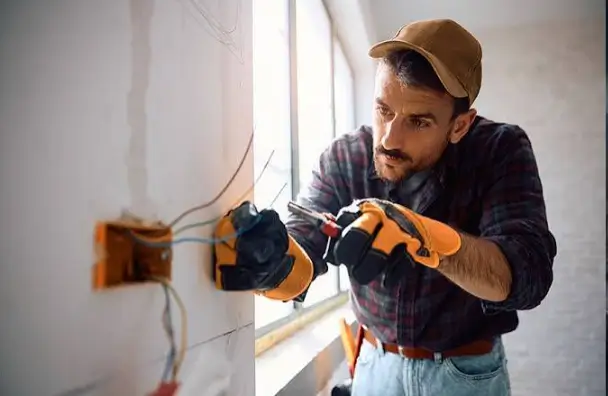
An electrician examines the condition of circuit breakers, wiring connections, and distribution equipment to identify potential safety concerns.
Evaluating Household Electrical Loads
Professional load calculations help establish whether the existing electrical capacity is appropriate for current and planned requirements.
Reviewing Wiring Conditions
Damaged insulation, deteriorating connections, and other wiring defects may require corrective action.
Selecting Suitable Equipment
Any replacement components must be compatible with the installation and meet relevant manufacturer specifications.
Reviewing Local Requirements
Electrical modifications in Chicago may require permits and inspections depending on the nature of the work.
Qualified professionals can help homeowners address applicable requirements.
Preventive Maintenance Tips for Chicago Homeowners
Proper maintenance helps protect electrical equipment and support reliable operation.
Keep Electrical Equipment Accessible
Avoid placing furniture, boxes, or other household materials directly in front of electrical distribution equipment.
Maintaining adequate clearance allows electricians to perform inspections and repairs safely.
Protect Equipment From Water Exposure
Moisture can damage electrical components and increase the risk of electrical faults.
Any evidence of water intrusion should be investigated promptly.
Avoid Overloading Electrical Circuits
High-powered appliances should be connected to appropriately rated circuits according to their electrical requirements.
Maintain Accurate Circuit Labels
Clearly identifying individual circuits helps make maintenance and troubleshooting more convenient.
Arrange Professional Inspections
Periodic assessments can help identify developing electrical problems before they become serious.
Why Professional Installation Is Essential
Electrical distribution equipment contains potentially dangerous components that may remain energized even when the main breaker is switched off.
Attempting internal repairs or modifications without appropriate qualifications can expose homeowners to electric shock, burns, and other serious hazards.
Licensed electricians have the technical expertise and specialized equipment necessary to inspect, maintain, and modify electrical installations safely.
Professional services also help ensure that electrical improvements comply with applicable codes and manufacturer requirements.
Long-Term Benefits of Maintaining Updated Electrical Infrastructure
Maintaining suitable electrical infrastructure provides several advantages for residential properties.
Appropriate circuit arrangements support dependable appliance operation, while professional maintenance helps identify developing problems before significant damage occurs.
Modern electrical improvements can also make it easier to accommodate future renovations, additional appliances, and changing electricity requirements.
By investing in professional assessments and preventive maintenance, homeowners can reduce avoidable electrical problems and maintain a safer living environment.
Conclusion
Older Chicago properties can continue providing safe and comfortable living environments when their electrical systems receive appropriate attention.
Recognizing warning signs, evaluating household electricity requirements, and arranging professional inspections are important steps toward maintaining dependable electrical performance.
With suitable equipment, qualified installation, and regular maintenance, homeowners can protect their properties while preparing their electrical infrastructure for modern household demands.